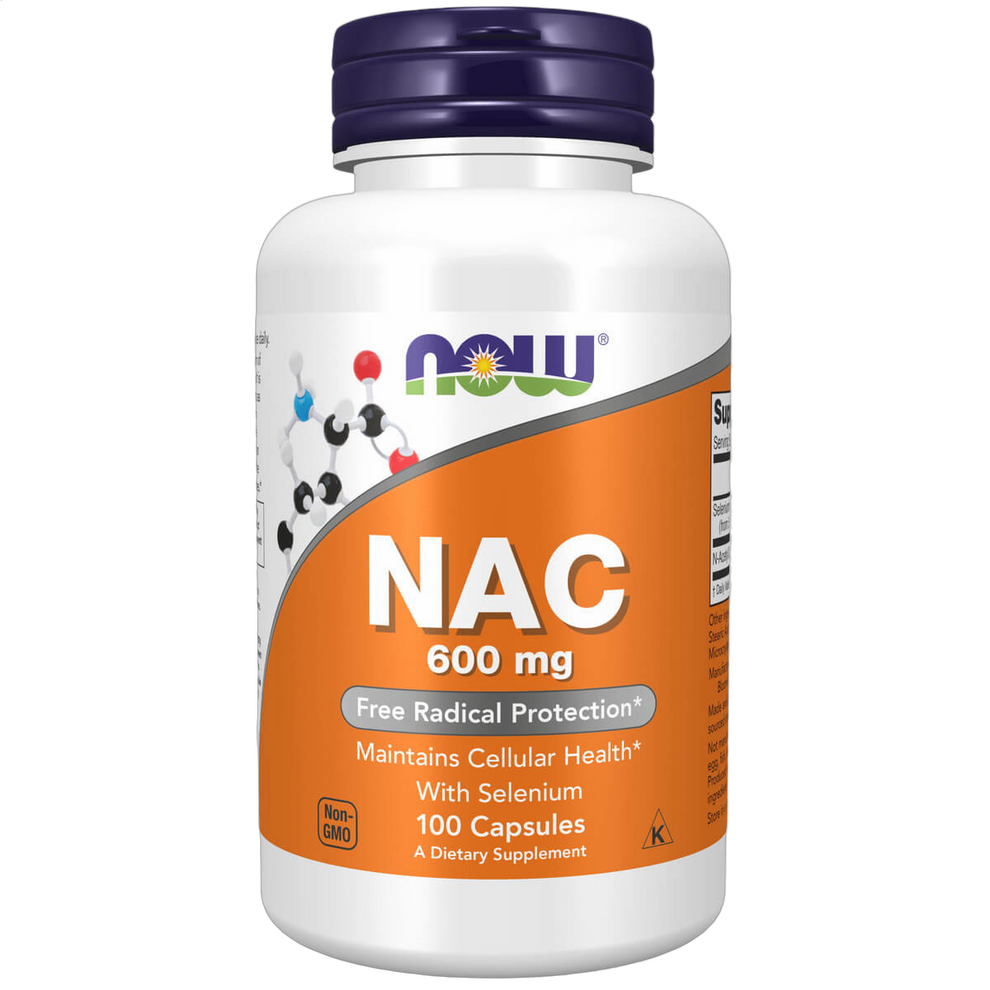
N-acetyl-cysteine (NAC) has moved from the laboratory bench to the supplement aisle with remarkable speed, driven by research that highlights its antioxidant, mucolytic, and neuroprotective properties. As interest grows, so does confusion about the optimal dose for different health goals. This article reviews the current scientific evidence, clarifies common misconceptions, and provides practical dosage guidelines for adults seeking to incorporate NAC safely into their routine.
Understanding How NAC Works
NAC is a precursor to the powerful antioxidant glutathione, which plays a central role in neutralising free radicals and supporting cellular detoxification. By boosting glutathione levels, NAC helps maintain redox balance, supports immune function, and can aid in the clearance of mucus in the respiratory tract. These mechanisms underpin the diverse therapeutic areas where NAC is studied, from respiratory health to mental wellbeing.
Key Biological Actions
- Glutathione synthesis: NAC supplies cysteine, the rate-limiting amino acid for glutathione production.
- Anti-inflammatory effects: Reduces cytokine release and oxidative stress markers.
- Mucolysis: Breaks disulfide bonds in mucus, making it less viscous and easier to clear.
- Neuroprotection: Modulates glutamate excitotoxicity and supports mitochondrial function.
Evidence-Based Dosage Recommendations
Clinical trials have explored a wide range of doses, typically between 600″?mg and 2,400″?mg per day, depending on the condition under investigation. Below is a concise summary of dosage ranges supported by peer-reviewed studies.
Respiratory Support
- Acute bronchitis or COPD exacerbations: 600″?mg taken two to three times daily (total 1,200-1,800″?mg) for 7-14″?days.
- Chronic mucus clearance: 600″?mg once or twice daily, often combined with a bronchodilator.
Detoxification & Liver Health
- Acetaminophen overdose (clinical setting): 140″?mg/kg loading dose followed by 70″?mg/kg every 4″?hours for 17″?doses – this protocol is hospital-based and not applicable to routine supplementation.
- General antioxidant support: 600″?mg once daily is sufficient for most healthy adults.
Mental Health & Neurological Conditions
- Obsessive-compulsive disorder (OCD) and addiction relapse prevention: 1,200″?mg per day, divided into two doses.
- Mild cognitive decline: 600-900″?mg daily, taken with meals to improve absorption.
Guidelines for Safe Use
- Start with the lowest effective dose (typically 600″?mg) and assess tolerance.
- Take NAC with food to minimise gastrointestinal upset.
- Maintain adequate hydration, especially when using higher doses for mucolytic purposes.
- Consult a healthcare professional before exceeding 2,400″?mg per day or combining with other sulfur-containing supplements.
Choosing the Right Formulation
When selecting a product, consider the delivery format, purity, and third-party testing. Capsules are the most common form, offering precise dosing and convenience. For those who prefer flexibility, powder sachets can be mixed into beverages, though they may have a distinct sulphuric taste.
High-quality options are readily available in the United Kingdom. A well-curated nac supplement range provides transparent labeling, ensuring each capsule contains the declared amount of NAC without unnecessary fillers. For shoppers seeking a local source, the same collection can be described as a reliable nac supplement uk offering. Browsing the catalogue reveals a variety of nac capsules that meet rigorous quality standards, making them suitable for both newcomers and seasoned supplement users.
Potential Interactions and Contra-Indications
While NAC is generally well tolerated, awareness of possible interactions is essential for safe integration into a health regimen.
- Medications: May enhance the effects of nitroglycerin and certain chemotherapeutic agents; consult a physician if on these drugs.
- Supplements: Concurrent high-dose vitamin C can compete for absorption pathways; spacing doses by a few hours is advisable.
- Medical conditions: Individuals with asthma should start at a low dose, as bronchospasm has been reported in rare cases.
Monitoring Effectiveness
Objective tracking helps determine whether the chosen dose meets personal health goals.
- Respiratory outcomes: Record frequency of cough episodes, sputum volume, and any changes in breathlessness.
- Oxidative stress markers: Blood tests for glutathione or malondialdehyde can provide biochemical feedback (usually ordered by a clinician).
- Mood and cognition: Use validated questionnaires such as the Beck Anxiety Inventory or Montreal Cognitive Assessment to gauge changes over weeks.
Conclusion
The body of research supports a flexible dosing strategy for NAC, with 600″?mg to 1,200″?mg per day covering the majority of therapeutic indications. Higher doses may be warranted under professional supervision for specific clinical scenarios. Selecting a reputable product, such as those found among the nac supplements offered by trusted UK retailers, ensures consistency and safety. By aligning dosage with evidence-based guidelines and monitoring outcomes, individuals can harness NAC’s antioxidant and mucolytic benefits while minimizing risk.