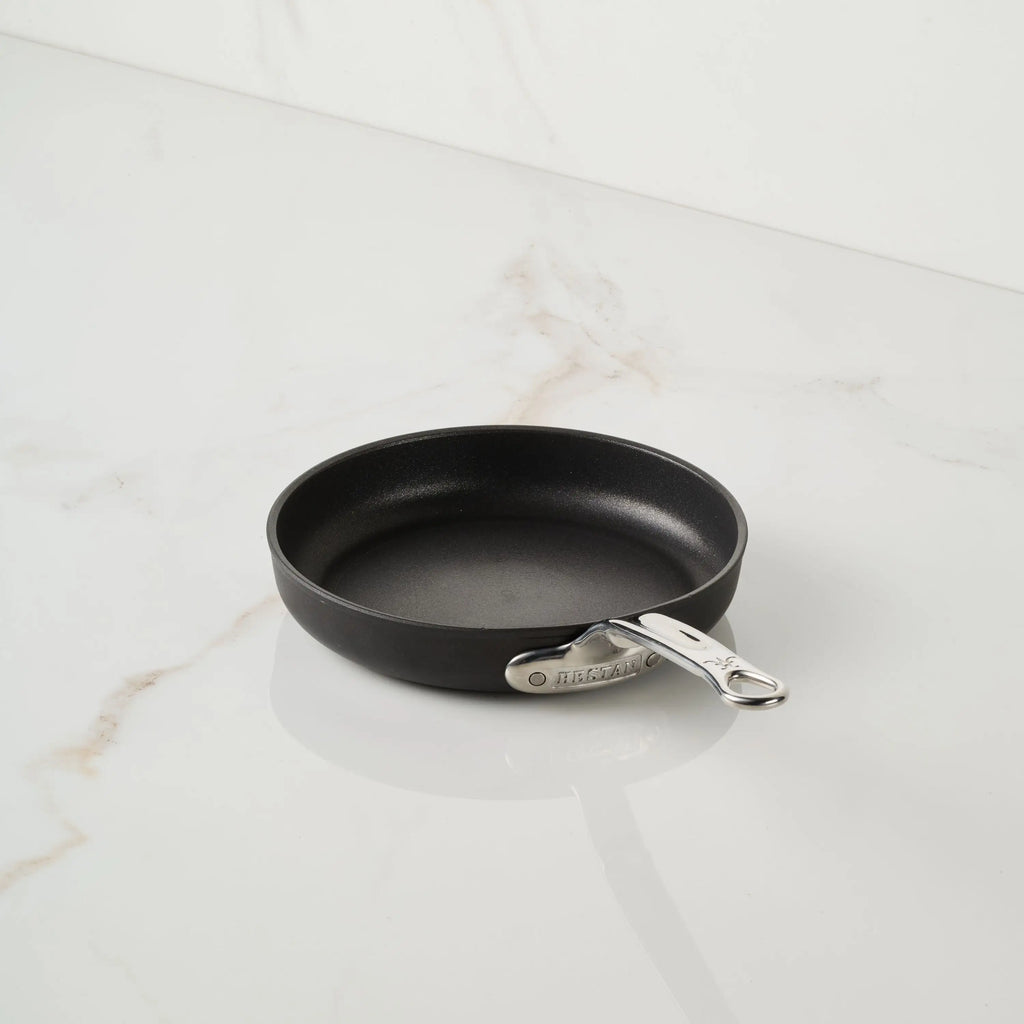
The culinary world is vast, with a plethora of tools available to enhance the cooking experience. Among these, the stainless clad frying pan stands out as a versatile and indispensable asset in any kitchen. This type of pan is renowned for its durability, heat distribution, and contemporary design. Understanding how to maximize its potential can significantly elevate cooking endeavors, making it a staple for both amateur cooks and professional chefs.
The Science Behind Stainless Cladding
Stainless clad frying pans are constructed through a meticulous process that involves layering stainless steel with other metals, typically aluminum or copper. This construction enhances the pan?s performance, offering a blend of benefits that cater to various cooking needs.
- Even Heat Distribution: The core metal, often aluminum, ensures superior heat conductivity, allowing for even cooking without hotspots.
- Durability: The stainless steel exterior is resistant to rust and corrosion, ensuring longevity and resilience against the rigors of daily cooking.
- Non-reactive Surface: Stainless steel does not react with acidic or alkaline foods, preserving the natural flavors and integrity of the ingredients.
Maximizing Cooking Techniques
Saut?ing and Browning
The stainless clad frying pan excels in saut?ing and browning, owing to its quick and even heat distribution. This feature is crucial for achieving a perfect sear on meats and vegetables, enhancing flavors through the Maillard reaction.
Deglazing
After browning meats, the pan?s surface will have flavorful bits, known as fond, stuck to it. By adding a liquid such as wine, broth, or vinegar, these bits can be lifted off the pan, creating a rich and flavorful base for sauces. The cladded stainless steel construction ensures the pan can withstand sudden temperature changes without warping.
Care and Maintenance
To maintain the quality and longevity of a stainless clad frying pan, proper care is essential. Here are some tips:
- Cleaning: Use warm soapy water and a soft sponge for regular cleaning. For stubborn stains, a paste of baking soda and water can be used.
- Avoid Abrasives: Do not use steel wool or harsh abrasives as they can scratch and damage the surface.
- Season Occasionally: Although not necessary, lightly oiling the pan after cleaning can maintain its luster and add a subtle non-stick quality.
Eco-friendly and Sustainable Choice
Investing in a cladded stainless steel pan is not only beneficial for cooking but also an eco-friendly choice. Stainless steel is fully recyclable and has a minimal environmental impact during production. Choosing a durable and long-lasting pan reduces the need for frequent replacements, contributing to sustainability efforts.
In conclusion, a stainless clad frying pan is a versatile and efficient tool that, when used correctly, can significantly enhance the cooking experience. By understanding its construction and capabilities, one can unlock a myriad of culinary possibilities, making it a worthy investment for any kitchen.