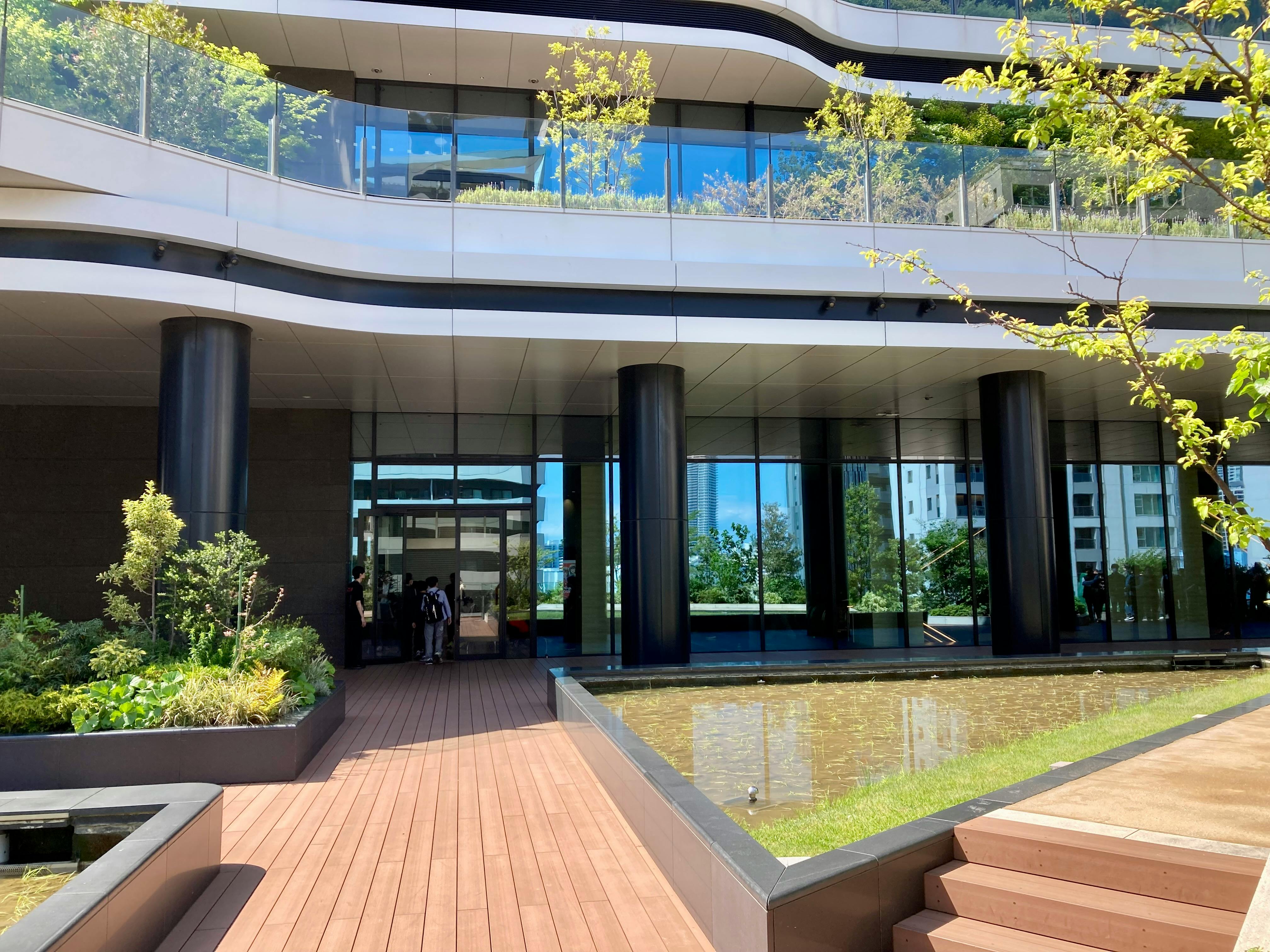
Top 5 Green Building Certifications for Sustainable Builders
In the ever-evolving landscape of construction, sustainability is no longer a trend but a necessity. Green building certifications play a crucial role in establishing benchmarks for sustainable practices, ensuring that structures are environmentally responsible and resource-efficient. For builders and developers committed to eco-friendly construction, understanding and obtaining these certifications is vital. This article delves into the top five green building certifications that are paving the way for a sustainable future in the construction industry.
1. LEED (Leadership in Energy and Environmental Design)
Overview
LEED is one of the most widely recognized green building certification systems globally. Managed by the U.S. Green Building Council (USGBC), LEED provides a framework for healthy, highly efficient, and cost-saving green buildings.
Key Features
- Comprehensive rating system covering design, construction, operation, and maintenance.
- Multiple levels of certification: Certified, Silver, Gold, and Platinum.
- Applicable to various building types, including commercial, residential, and institutional.
To explore advanced guides and tips on achieving LEED certification, discover expert strategies here.
2. BREEAM (Building Research Establishment Environmental Assessment Method)
Overview
BREEAM is a leading sustainability assessment method for master-planning projects, infrastructure, and buildings. It recognizes and reflects the value in higher performing assets across the built environment lifecycle, from new construction to in-use and refurbishment.
Key Features
- Focuses on sustainable value across a wide range of categories.
- Used in more than 70 countries worldwide.
- Encourages innovation in sustainable building practices.
Find out more about this approach by visiting the dedicated resource.
3. Green Globes
Overview
Green Globes is an environmental assessment and certification program that offers an effective and affordable way to advance the overall environmental performance and sustainability of commercial buildings.
Key Features
- Flexible tool that allows for self-assessment and third-party verification.
- Focuses on project management, site, energy, water, materials, emissions, and indoor environment.
- Emphasizes continuous improvement and user-friendly processes.
To learn about tailored solutions for Green Globes certification, click here.
4. WELL Building Standard
Overview
The WELL Building Standard focuses on the health and wellness of building occupants. It is a performance-based system for measuring, certifying, and monitoring features that impact human health and well-being.
Key Features
- Addresses factors such as air, water, nourishment, light, fitness, comfort, and mind.
- Integrates with other sustainability frameworks like LEED.
- Emphasizes occupant health and productivity.
Explore advanced guides and tips on how to implement WELL standards here.
5. Living Building Challenge
Overview
The Living Building Challenge is a rigorous performance standard for buildings. It calls for the creation of buildings that operate as cleanly, beautifully, and efficiently as nature”?s architecture.
Key Features
- Focuses on seven performance areas or “?Petals”?: Place, Water, Energy, Health & Happiness, Materials, Equity, and Beauty.
- Encourages the use of non-toxic building materials and renewable energy sources.
- Promotes the creation of spaces that are not only sustainable but also regenerative.
Learn about our tailored solutions for meeting the Living Building Challenge by visiting this page.
In conclusion, green building certifications are instrumental in guiding sustainable practices in the construction industry. For builders aiming to make a difference, familiarizing themselves with these certifications is a crucial step towards contributing to a sustainable future. By aligning construction projects with these standards, builders not only enhance their reputation but also play a pivotal role in preserving the planet for future generations.