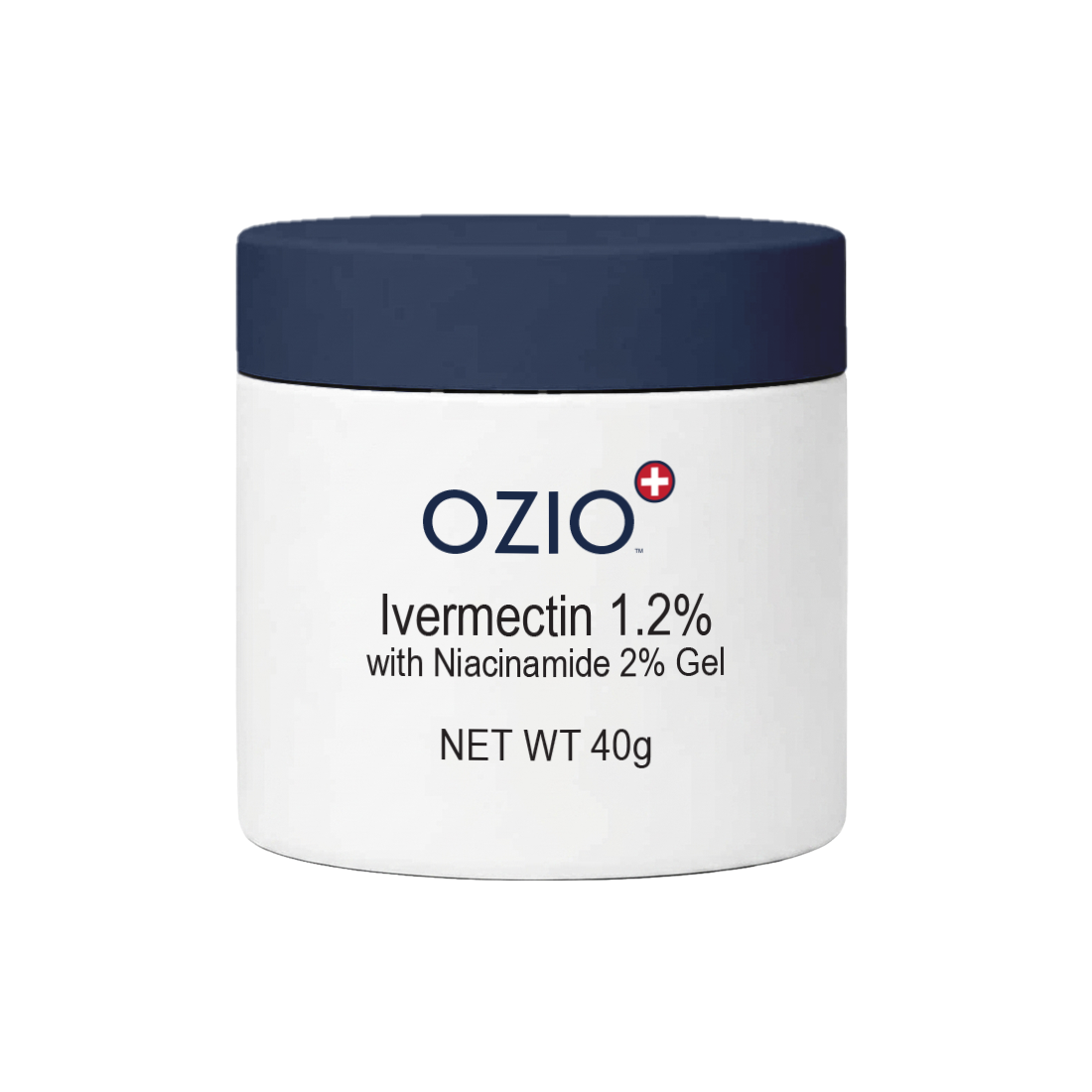
In the realm of dermatological treatments, the ivermectin niacinamide gel has emerged as a noteworthy contender. This gel combines the potent effects of ivermectin, a well-known antiparasitic agent, with niacinamide, a form of vitamin B3 renowned for its skin-soothing properties. Together, they form a synergistic solution with promising anti-inflammatory benefits. Understanding the science behind these components can aid in appreciating their combined efficacy in addressing various skin conditions.
The Role of Ivermectin in Anti-Inflammation
Ivermectin, an antiparasitic agent, has been extensively used in treating a range of parasitic infections. However, recent studies have highlighted its potential in dermatology, particularly for its anti-inflammatory effects. Its action can be attributed to:
- Blocking the production of pro-inflammatory cytokines, thereby reducing inflammation.
- Modulating immune response, which aids in calming inflamed skin.
- Inhibiting the activation of inflammatory pathways at the cellular level.
This makes ivermectin 1.2 percent gel a viable option in treating inflammatory skin conditions such as rosacea and acne.
Niacinamide: A Skin-Soothing Ally
Niacinamide, also known as vitamin B3, is a water-soluble vitamin that has gained popularity in skincare for its multiple benefits. Its anti-inflammatory properties are particularly beneficial in the treatment of skin conditions such as acne and eczema. The key benefits of niacinamide include:
- Reducing redness and blotchiness, promoting an even skin tone.
- Improving the skin barrier function, which helps prevent environmental damage.
- Regulating oil production, which can reduce the severity of acne outbreaks.
By incorporating niacinamide with ivermectin, the gel formulation can deliver enhanced soothing and anti-inflammatory effects.
The Synergy of Ivermectin and Niacinamide
The combination of ivermectin and niacinamide in a gel formulation leverages the strengths of both components to address inflammation effectively. This synergy results in a product that:
- Targets multiple pathways of inflammation, providing comprehensive relief.
- Enhances skin barrier protection, reducing susceptibility to irritants.
- Offers a gentle yet effective treatment option suitable for sensitive skin types.
This makes the ivermectin niacinamide gel particularly beneficial for individuals looking for a balanced approach to managing inflammatory skin conditions.
Clinical Insights and Applications
Clinical studies have demonstrated the benefits of combining ivermectin and niacinamide in treating skin conditions characterized by inflammation. Some noteworthy applications include:
- Managing rosacea by reducing papules, pustules, and erythema.
- Alleviating acne symptoms by decreasing the inflammation associated with comedones and cysts.
- Providing relief for eczema by minimizing itchiness and irritation.
These clinical insights underscore the potential of this gel formulation as a versatile treatment modality.
Conclusion
The integration of ivermectin and niacinamide in a gel formulation represents a significant advancement in dermatological treatments. By harnessing their individual properties and synergistic effects, this product offers an innovative solution for those seeking relief from inflammatory skin conditions. The comprehensive understanding of these components and their mechanisms of action provides a foundation for their continued use and exploration in skincare advancements.