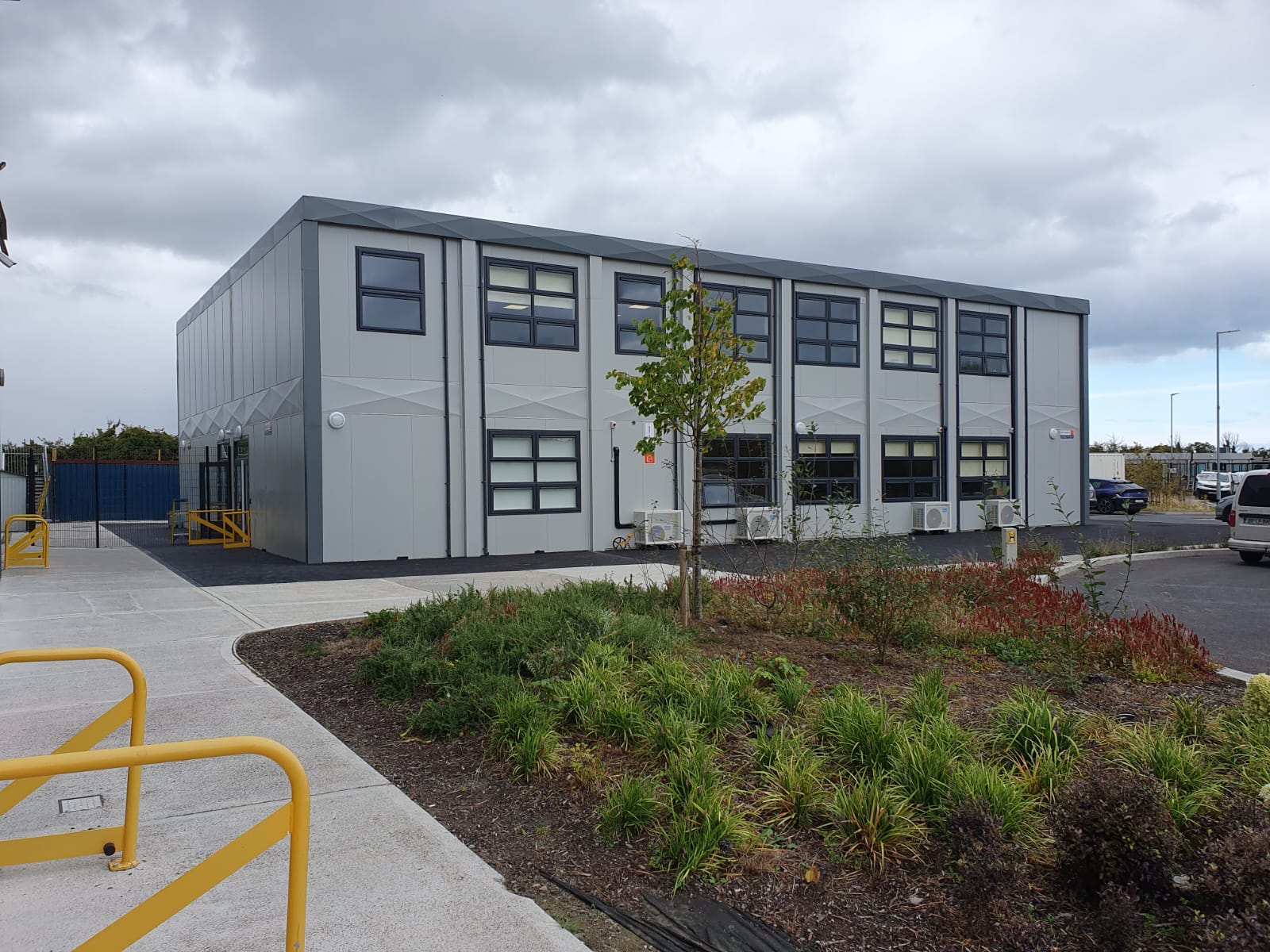
In today’s fast-paced world, businesses and organizations often face the challenge of rapidly expanding operations or accommodating temporary projects. Whether due to construction delays, seasonal workforce increases, or unexpected growth spurts, the need for additional space can arise suddenly. Temporary buildings offer a flexible and efficient solution to meet these short-term space requirements. These structures can be swiftly deployed, providing businesses with the necessary environment to continue operations seamlessly. Their adaptability and cost-effectiveness make them an ideal choice for various industries. This article delves into the advantages of temporary buildings, exploring how they can fulfill immediate space needs without significant disruptions or financial burdens.
The Rise of Temporary Buildings
Temporary buildings have become an increasingly popular solution for businesses and institutions worldwide. Their rise is attributed to several factors:
- **Cost-Effectiveness:** Temporary buildings are generally more affordable than permanent structures, making them a cost-effective choice for short-term needs.
- **Flexibility:** These buildings can be customized to fit specific requirements, allowing organizations to tailor the space according to their operational needs.
- **Speed of Installation:** Unlike traditional construction, which can take months or even years, temporary buildings can be installed quickly, minimizing downtime.
For more insights into how temporary buildings can benefit your organization, learn about our tailored solutions.
Applications of Temporary Buildings
Temporary buildings are versatile and can be utilized across a variety of sectors. Here are some common applications:
Construction Sites
Temporary buildings are frequently used on construction sites to provide office space, storage, and shelter for workers. Their portability and durability make them a preferred choice in this dynamic environment. Explore advanced guides and tips to optimize space use on construction sites.
Education Sector
Schools and universities often face fluctuating student numbers and need additional classrooms or facilities. Temporary buildings offer an immediate solution to accommodate these changes without interrupting the academic schedule.
Healthcare Facilities
In the healthcare sector, temporary buildings can serve as clinics, testing centers, or additional patient wards, especially during emergencies such as pandemics. Their quick installation ensures that healthcare providers can continue offering essential services without delay. Discover expert strategies here to enhance healthcare infrastructure with temporary solutions.
Environmental and Economic Benefits
Beyond immediate space solutions, temporary buildings offer environmental and economic advantages. These structures are often constructed with sustainable materials and can be reused or repurposed, reducing waste and minimizing environmental impact. They also lower the long-term financial commitment, allowing businesses to allocate resources more efficiently.
- **Sustainability:** Temporary structures can be made from eco-friendly materials, supporting green initiatives.
- **Reduced Carbon Footprint:** By minimizing the need for extensive construction, these buildings help reduce emissions.
- **Resource Allocation:** Businesses can invest saved capital into other critical areas, enhancing overall growth and development.
To understand more about the environmental impact and economic advantages, find out more about this approach.
Conclusion
Temporary buildings present a pragmatic solution for businesses requiring immediate additional space. Their adaptability, swift installation, and cost-effectiveness make them a viable option for various sectors, including construction, education, and healthcare. By choosing temporary structures, organizations can seamlessly adapt to changing space needs while benefiting from economic and environmental advantages. As industries evolve, the demand for flexible, efficient space solutions continues to grow, positioning temporary buildings as a critical resource in the modern business landscape.