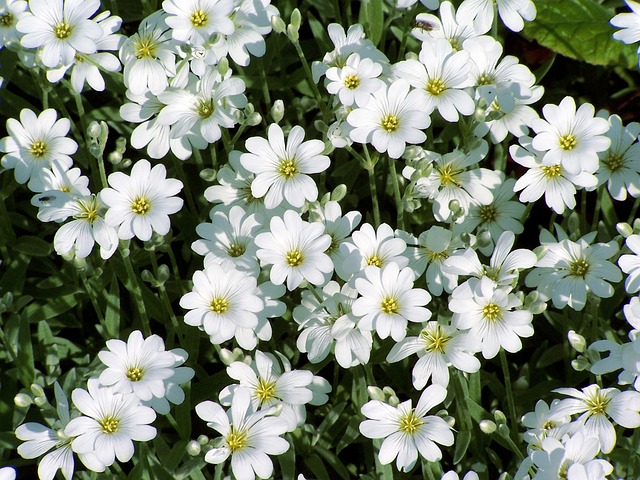
As the vibrant colors of summer approach, gardens become the perfect escape to revel in nature’s beauty. With warm weather and longer days, the season offers an ideal opportunity to introduce a spectrum of blooms that can transform any garden into a lively and inviting oasis. Selecting the right flowers not only enhances the aesthetic appeal but also promotes a well-balanced ecosystem by attracting pollinators like bees and butterflies. Whether you’re a seasoned gardener or a novice, understanding which flowers thrive during the summer months is key to achieving a stunning garden display.
Top Summer Blooms to Consider
Summer gardens can be a vibrant display of color and fragrance. Here are some of the most popular flowers that can truly brighten up your garden during the sunny months.
- Sunflowers (Helianthus annuus): Known for their large, sunny blooms, these flowers are not only easy to grow but also attract pollinators. They can add height and a cheerful presence to any garden.
- Marigolds (Tagetes): These hardy flowers are perfect for summer gardens as they can withstand the heat and deter garden pests. Available in shades of yellow, orange, and red, they are a colorful addition.
- Lavender (Lavandula): With its soothing fragrance and beautiful purple spikes, lavender is a popular choice. It’s drought-tolerant and attracts beneficial insects.
- Petunias (Petunia): With a wide range of vibrant colors, petunias are perfect for hanging baskets, borders, and containers. They require regular watering but offer a magnificent display.
For those seeking more comprehensive guidance on maintaining a vibrant summer garden, learn about our tailored solutions and discover how to select the perfect plants for your garden’s unique needs.
Creating a Balanced Garden Ecosystem
A flourishing summer garden is not just about aesthetics; it’s also about creating a balanced ecosystem where plants and wildlife coexist harmoniously.
Attracting Pollinators
Pollinators such as bees, butterflies, and hummingbirds play a crucial role in the health of a garden. Here are some strategies to attract them:
- Include a variety of flower shapes and colors to cater to different pollinators.
- Plant native species, as they are more likely to attract local wildlife.
- Avoid using pesticides, which can harm beneficial insects.
For a deeper understanding of how to create a pollinator-friendly garden, explore advanced guides and tips.
Maintaining Soil Health
Healthy soil is the foundation of a thriving garden. Consider the following practices to maintain soil fertility:
- Incorporate organic matter such as compost to improve soil structure.
- Rotate plants to prevent nutrient depletion and reduce pest buildup.
- Mulch to retain moisture and suppress weeds.
Discover expert strategies here to enhance soil health and ensure your garden thrives throughout the summer season.
Conclusion: Planning for Longevity
While selecting the right flowers is essential, planning for long-term garden success involves understanding plant needs, soil conditions, and local climatic factors. By choosing a diverse range of blooms and implementing sustainable gardening practices, a vibrant summer garden can be achieved and enjoyed for months to come. To further enhance your gardening experience, find out more about this approach to garden planning and maintenance.