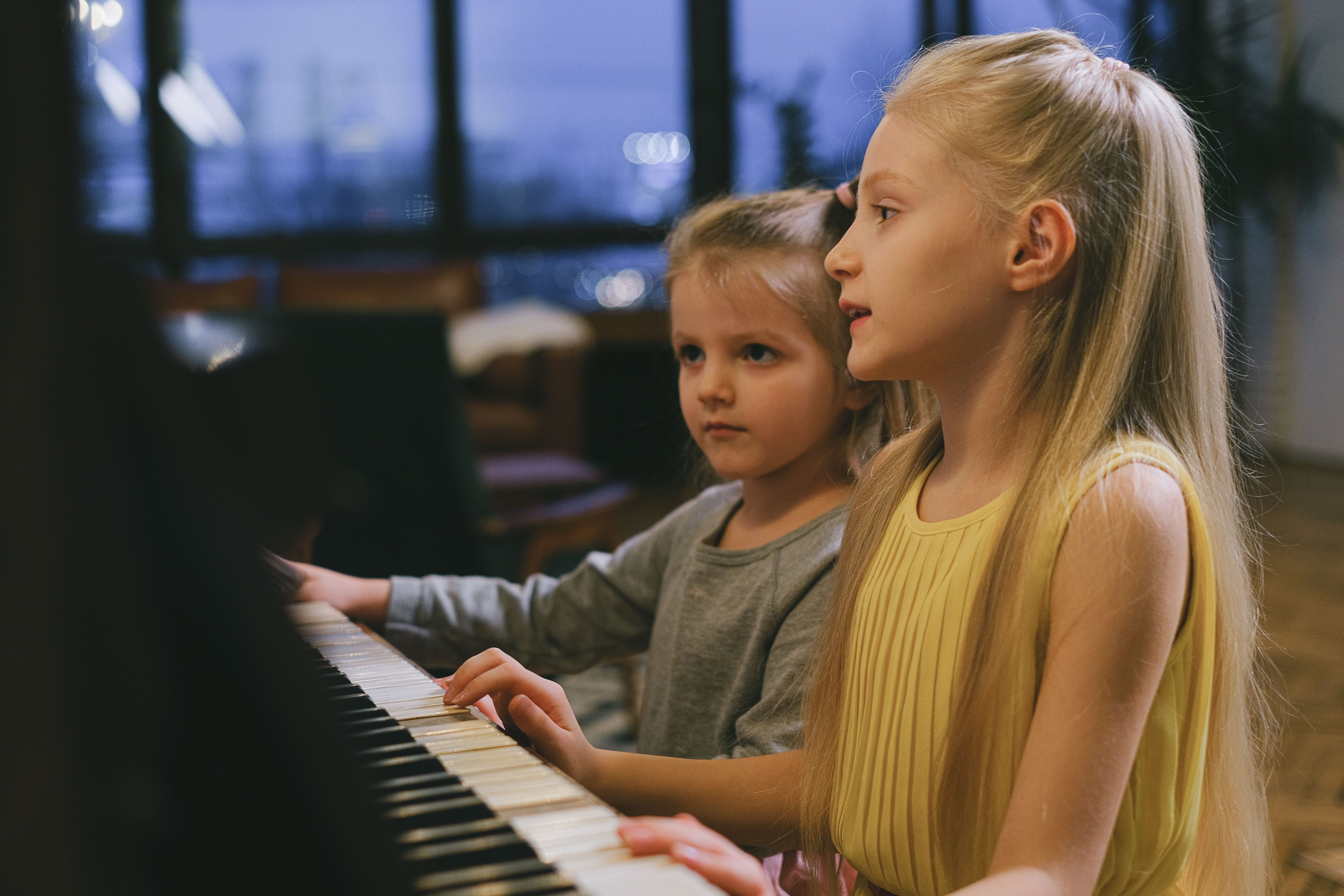
The early developmental stages of children are crucial for their cognitive, emotional, and social growth. Introducing music to preschool-aged children can play a significant role in enhancing these developmental areas. A well-structured preschool music program can cultivate a child’s creativity, improve their listening skills, and foster a love for music that can last a lifetime. Understanding the benefits and components of such programs is essential for educators and parents alike.
The Importance of Music in Early Childhood Education
Music is more than just a form of entertainment; it is a vital educational tool that can help shape young minds. Research has shown that engaging children with music at an early age can have numerous benefits, including:
- Enhancing cognitive development through pattern recognition and memory improvement.
- Promoting emotional expression and understanding.
- Encouraging social interaction and teamwork through group activities.
- Improving motor skills through the coordination of movement with rhythm.
For a comprehensive understanding of how music impacts early childhood development, read more about this topic.
Key Components of a Successful Preschool Music Program
Age-Appropriate Curriculum
A successful music program should be tailored to the developmental stages of preschool children. This includes selecting songs and activities that are suitable for their age group, engaging, and easy to understand. Additionally, incorporating a variety of musical styles can help broaden their exposure and appreciation for different genres.
Interactive and Hands-On Activities
Young children learn best through play and interaction. A music program should include activities that allow children to actively participate, such as:
- Playing simple instruments like drums, tambourines, and maracas.
- Participating in sing-alongs that encourage vocal expression.
- Engaging in movement activities that integrate music and dance.
For more detailed insights on structuring interactive music activities, learn more in this detailed guide.
The Role of Educators in Preschool Music Programs
Educators play a pivotal role in facilitating a successful music program. Their responsibilities include:
- Creating a supportive and inclusive environment for all children.
- Encouraging children to explore and express themselves musically.
- Providing positive reinforcement and feedback to boost confidence.
- Continuously adapting the curriculum to meet the needs and interests of the children.
To explore further insights on the role of educators, explore further insights here.
Conclusion
A well-designed preschool music program can have a profound impact on a child’s development. By fostering a love for music and providing opportunities for creative expression, these programs can enhance cognitive, emotional, and social skills. Parents and educators should strive to incorporate music into early childhood education to nurture well-rounded and confident individuals. For additional information on the benefits and implementation of preschool music programs, find additional information here.