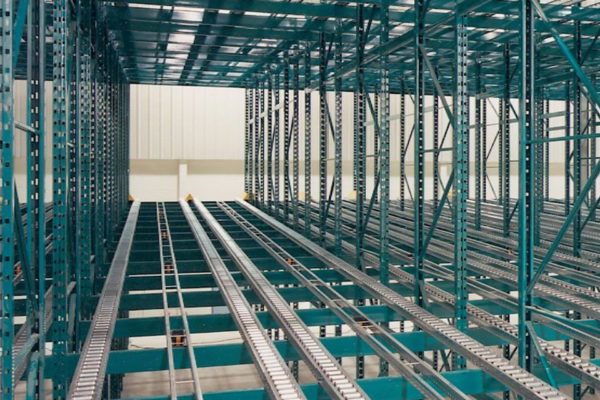
In the modern warehouse and logistics industry, efficient storage solutions are paramount to maintaining high productivity levels. Pallet flow racking systems have emerged as a pivotal solution, offering businesses the ability to streamline their operations and maximize storage efficiency. This article delves into the benefits and applications of pallet flow racking systems, providing insights on how they can significantly enhance productivity within various industrial settings.
Understanding Pallet Flow Racking Systems
Pallet flow racking systems are dynamic storage solutions that utilize gravity to facilitate first-in, first-out (FIFO) inventory management. This system is ideal for businesses that require rapid inventory turnover, ensuring that the oldest stock is always accessible first. By implementing pallet flow systems, companies can optimize their storage capabilities while simplifying stock rotation.
Key Benefits of Pallet Flow Racking
- Increased Storage Density: With the ability to store pallets in a deep lane configuration, these systems maximize the use of available space.
- Optimized Inventory Management: The FIFO method ensures efficient stock rotation, minimizing product expiration and obsolescence.
- Reduced Labor Costs: Automated movement of pallets reduces the need for manual handling, decreasing labor expenses.
- Enhanced Loading and Unloading Efficiency: Pallet flow systems allow for quick loading and unloading, boosting overall productivity.
For a deeper dive into these benefits, learn about our tailored solutions and how they can be applied to specific business needs.
Applications of Pallet Flow Racking Systems
Pallet flow racking systems are versatile and can be customized to fit various industry applications. Below are some of the industries where these systems are making a significant impact:
- Food and Beverage Industry: Ensures the freshest products are dispatched first, crucial for perishable goods.
- Pharmaceutical Sector: Maintains the integrity of stock rotation required for time-sensitive medications.
- Retail and Distribution: Supports high turnover rates, accommodating seasonal fluctuations and promotional events.
- Automotive Industry: Efficiently handles bulky and heavy components, improving workflow in assembly lines.
To explore advanced guides and tips on how pallet flow racking can be integrated into these sectors, visit the provided resource.
How to Implement Pallet Flow Racking Systems
Assessment and Planning
The first step in implementing a pallet flow racking system is a comprehensive assessment of the current storage needs and warehouse layout. This involves:
- Evaluating the type and frequency of inventory turnover.
- Analyzing available space and determining optimal racking configuration.
- Considering weight and size variations of stored products.
Discover expert strategies here to ensure a successful implementation plan.
Installation and Maintenance
Once the planning phase is complete, the installation of the pallet flow racking system should be executed by professionals to ensure safety and efficiency. Regular maintenance is crucial to maintaining the system’s functionality. Key maintenance practices include:
- Regular inspection of components for wear and tear.
- Ensuring the tracks and rollers are free of obstructions.
- Conducting periodic safety checks and adjustments.
For further details on maintaining a robust racking system, find out more about this approach to ensure longevity and reliability.
Conclusion
Incorporating pallet flow racking systems into warehouse operations can lead to significant improvements in productivity and efficiency. By optimizing storage capacity and streamlining inventory management, businesses can meet the demands of a fast-paced market. For those seeking to enhance their logistics and warehousing capabilities, exploring the benefits and applications of pallet flow racking systems is a worthy investment. Find out more about this approach to leverage the full potential of these innovative solutions.