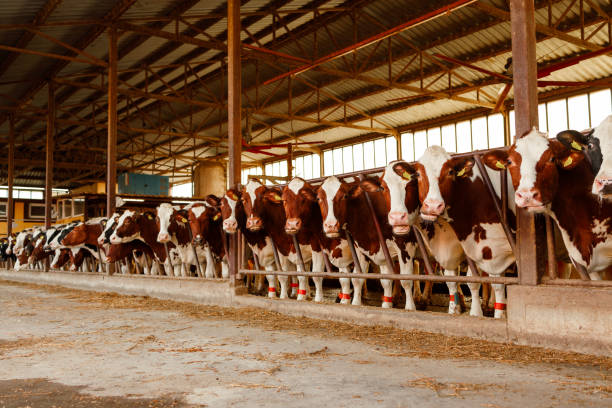
Food safety remains a cornerstone of the European beef sector, influencing consumer confidence, market access, and public health. From the pasture to the plate, each step must meet rigorous standards that safeguard meat quality while respecting the continent’s diverse regulatory landscape. This article outlines the key mechanisms that protect beef products, highlights best-practice interventions, and points to resources that support continuous improvement across the supply chain.
Regulatory Framework and Harmonisation
The European Union (EU) enforces a comprehensive set of directives and regulations that govern animal health, hygiene, and traceability. These legal instruments create a uniform baseline, allowing producers from Spain to Sweden to operate under comparable safety expectations. Critical components include:
- Regulation (EC) No”?852/2004 on the hygiene of foodstuffs – establishes general hygiene requirements for all stages of production.
- Regulation (EC) No”?853/2004 – introduces specific rules for meat, ensuring species-specific controls.
- Regulation (EU) No”?2017/625 – sets up official controls and the rapid alert system for food and feed (RASFF).
For a deeper dive into the EU’s strategic approach, Discover expert strategies here.
Implementation of HACCP Principles
Critical Control Points in Beef Production
Hazard Analysis and Critical Control Points (HACCP) remains the backbone of systematic risk management. In the context of beef, the most relevant hazards include microbial contamination (e.g., Salmonella, E. coli O157:H7), chemical residues, and physical foreign bodies. Effective HACCP plans typically address:
- Pre-slaughter animal health monitoring.
- Stunning and bleeding procedures that minimise bacterial load.
- Cooling regimes that rapidly bring carcass temperature below 7″???C.
- Sanitation of cutting equipment and work surfaces.
Practical guidance on tailoring HACCP to the beef sector can be found at Learn about our tailored solutions.
Traceability Systems and Digital Tools
Modern traceability relies on electronic identification (EID) and blockchain-based platforms that record each animal’s journey from birth to slaughter. Benefits include rapid outbreak response, transparent supply-chain communication, and enhanced consumer trust.
- Animal ID tags: RFID or ear tags linked to a central database.
- Batch coding: Unique identifiers for each lot of meat, facilitating targeted recalls.
- Data integration: Linking farm management software with slaughterhouse information systems.
For examples of successful digital traceability projects, Explore advanced guides and tips.
Best Practices on the Farm
Animal Welfare and Health Management
Healthy cattle are the first line of defence against food-borne hazards. Key farm-level actions include:
- Regular veterinary checks and vaccination programmes.
- Optimised nutrition plans that reduce stress and improve immune response.
- Biosecurity zones that limit contact with wildlife and external livestock.
Environmental Controls
Maintaining clean housing, proper ventilation, and adequate bedding reduces pathogen proliferation. Manure handling should follow EU guidelines to prevent cross-contamination of feed and water sources.
More detailed farm-level recommendations are available at Find out more about this approach.
Processing Plant Standards
Processing facilities must combine strict hygiene protocols with continuous monitoring. Core measures include:
- Validated cleaning-in-place (CIP) systems for equipment.
- Temperature controls throughout chilling and storage.
- Routine microbiological testing of carcasses and final products.
- Employee training on personal hygiene and cross-contamination prevention.
Guidelines for upgrading plant hygiene can be consulted through the EU’s official resources: Explore advanced guides and tips.
Consumer Safety and Communication
Transparent labeling and clear cooking instructions empower consumers to handle beef safely. EU legislation mandates that labels include origin, slaughter date, and any relevant health warnings. Additionally, educational campaigns that promote proper cooking temperatures (minimum 71″???C for whole cuts) help reduce the risk of illness.
Industry bodies often publish consumer-focused material; a useful repository is located at Learn about our tailored solutions.
Future Trends and Emerging Technologies
The next decade will likely see increased adoption of:
- Predictive analytics: AI models that forecast disease outbreaks based on farm data.
- Rapid on-site testing: Portable PCR devices for real-time pathogen detection.
- Sustainable processing: Water-recycling systems and low-temperature aging to preserve quality while reducing environmental impact.
Staying abreast of these developments is essential for maintaining high safety standards. For ongoing updates, Discover expert strategies here.