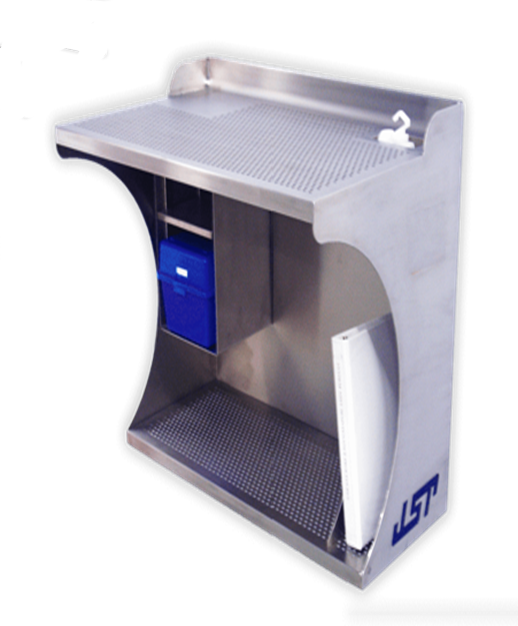
In the ever-evolving landscape of industrial processing, efficient drying systems play a crucial role in enhancing product quality, optimizing operational efficiency, and reducing costs. As industries continue to grow and diversify, the demand for innovative drying technologies has never been more significant. This article delves into the cutting-edge drying systems currently transforming industrial applications, highlighting their benefits, and how they can be integrated into various processes to achieve optimal results.
Understanding the Significance of Industrial Drying Systems
Industrial drying systems are pivotal in numerous sectors, from food processing to pharmaceuticals, textiles, and beyond. These systems aim to remove moisture from products, ensuring that they meet quality standards and are safe for consumption or use. The effectiveness of a drying system can significantly impact:
- Product shelf life and stability
- Energy consumption and operational costs
- Production speed and efficiency
To find out more about this approach, it’s essential to explore the various types of drying systems available and understand which technology best fits specific industrial needs.
Types of Innovative Drying Systems
1. Spray Dryers
Spray drying is a versatile and widely used method, particularly in the food and pharmaceutical industries. It involves atomizing a liquid into a spray of droplets and then drying these droplets in a hot gas. The benefits of spray dryers include:
- Rapid drying with high efficiency
- Uniform particle size distribution
- Capability to handle heat-sensitive materials
For those interested in the specifics of spray drying technology, discover expert strategies here.
2. Freeze Dryers
Freeze drying, or lyophilization, is a gentle drying method ideal for preserving the biological activity of products. This method is crucial for pharmaceuticals and food preservation, where maintaining the integrity of the product is paramount. Key advantages include:
- Preservation of nutrient content and flavor
- Extended shelf life without preservatives
- Minimal thermal degradation
To understand how freeze drying can be tailored to specific needs, learn about our tailored solutions.
3. Fluidized Bed Dryers
Fluidized bed drying is an efficient process that involves fluidization of solid particles by an upward flow of gas. It’s especially effective for drying granular materials and powders. The process offers:
- Uniform drying and reduced drying times
- Improved heat and mass transfer efficiency
- Scalability for different production capacities
To explore the advanced features of fluidized bed dryers, explore advanced guides and tips.
Integrating Advanced Drying Systems into Industrial Processes
Selecting the appropriate drying system depends on various factors, including the nature of the product, required drying time, energy efficiency, and cost considerations. Implementing advanced drying technologies can lead to:
- Enhanced product quality and consistency
- Reduced environmental impact through energy-efficient operations
- Lowered operational costs over the long term
For industries looking to upgrade their drying processes, find out more about this approach.
Conclusion
As industries strive to improve efficiency and product quality, investing in cutting-edge drying systems is a strategic move. By understanding the different types of drying technologies and their respective benefits, companies can make informed decisions that align with their operational goals and sustainability objectives. Continuous advancements in drying technology promise to offer even more innovative solutions, driving industrial growth and efficiency into the future.