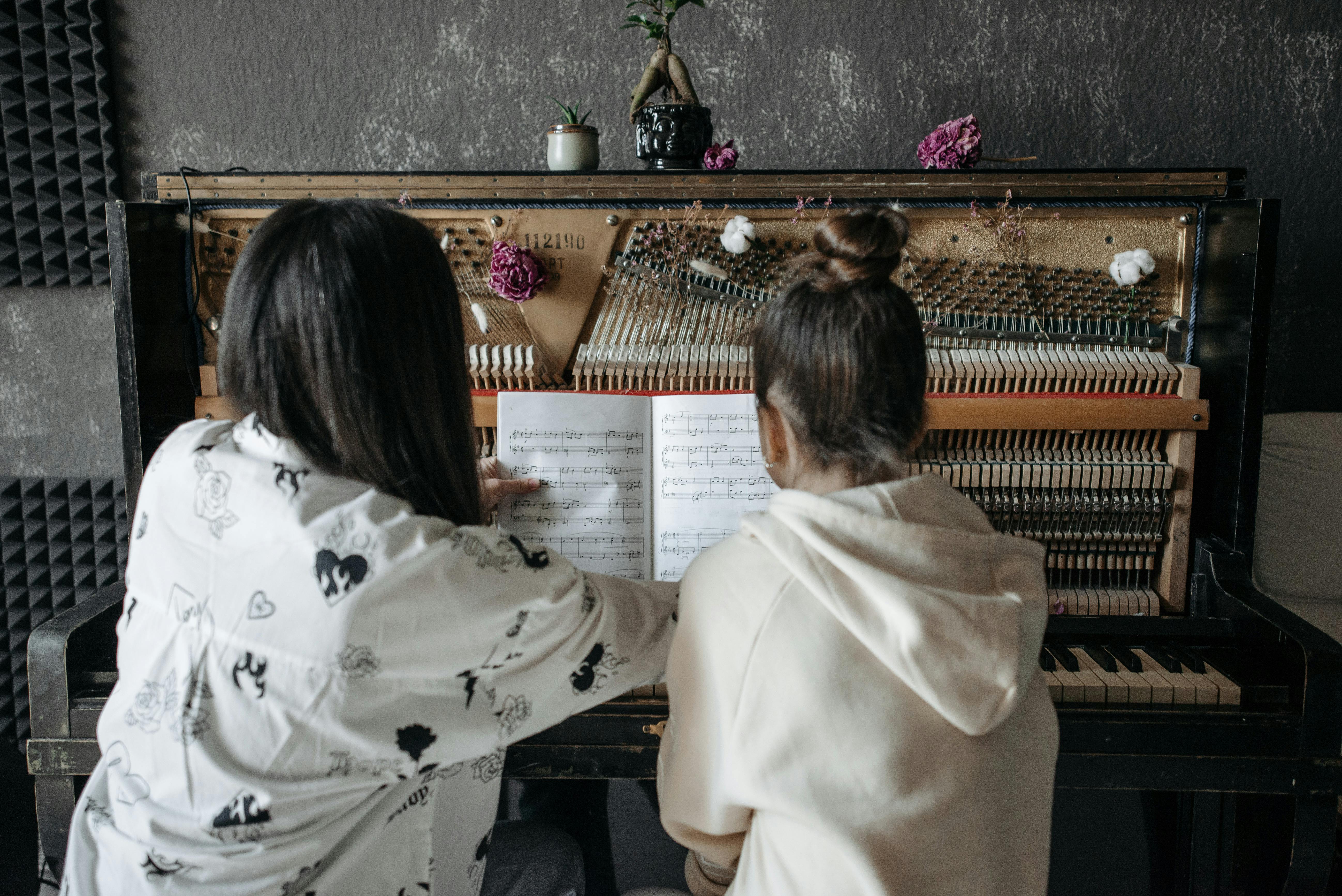
Learning to play the piano is a rewarding journey for children, offering numerous benefits beyond musical proficiency. Kids piano classes not only introduce young learners to the fundamentals of music but also enhance cognitive development, improve coordination, and boost confidence. As aspiring pianists embark on their musical journey, structured piano lessons can provide them with the tools and guidance necessary to cultivate their passion for music.
Benefits of Piano Classes for Children
Enrolling children in piano classes offers a multitude of advantages that extend well beyond the ability to play an instrument. Here are some key benefits:
- Cognitive Development: Learning to read music and understand rhythms enhances brain development, improving memory, attention, and spatial-temporal skills.
- Emotional Growth: Music provides an outlet for expression, helping children to manage emotions and reduce stress.
- Improved Coordination: Playing the piano requires hand-eye coordination, finger dexterity, and multi-tasking abilities, all of which are beneficial skills for children.
- Discipline and Patience: Regular practice instills a sense of discipline and patience, which are valuable life skills.
- Confidence and Self-Esteem: Mastering new pieces and performing in front of others can greatly enhance a child”?s confidence and self-esteem.
Choosing the Right Piano Class
When selecting a piano class for children, it’s important to consider several factors to ensure a positive and enriching experience:
Class Format
Consider whether your child would benefit more from individual lessons or group classes. Individual lessons provide personalized attention, while group classes can be more engaging and foster social interaction. Learn more in this detailed guide on different class formats available.
Instructor’s Credentials
Ensure that the instructor has the necessary qualifications and experience in teaching children. A good instructor should be patient, encouraging, and adept at making lessons enjoyable and educational.
Curriculum and Teaching Style
The curriculum should be tailored to the child’s age and skill level, incorporating a mix of theory, practice, and fun activities. The teaching style should match your child”?s learning preferences to keep them motivated and engaged. Read more about this topic for detailed insights on effective teaching methodologies.
Tips for Parents to Support Their Child’s Musical Journey
As a parent, you play a crucial role in your child’s musical development. Here are some tips to help support your aspiring pianist:
- Create a Practice Schedule: Establish a consistent practice routine that balances practice with rest and other activities.
- Provide a Conducive Environment: Ensure that your child has a quiet and well-equipped space for practice.
- Encourage and Motivate: Celebrate your child’s progress and achievements, encouraging them to overcome challenges.
- Stay Involved: Attend recitals, communicate with the instructor, and show interest in your child’s lessons and practice.
- Explore Additional Resources: Utilize online resources and tools to complement your child”?s learning. Explore further insights here on additional resources available for young pianists.
Conclusion
Kids piano classes offer an excellent opportunity for young musicians to explore the world of music, develop essential skills, and cultivate a lifelong love for piano playing. By choosing the right class and supporting your child”?s musical endeavors, parents can help their children unlock their full potential as aspiring pianists. Find additional information here to further support your child”?s musical journey and ensure a fulfilling learning experience.