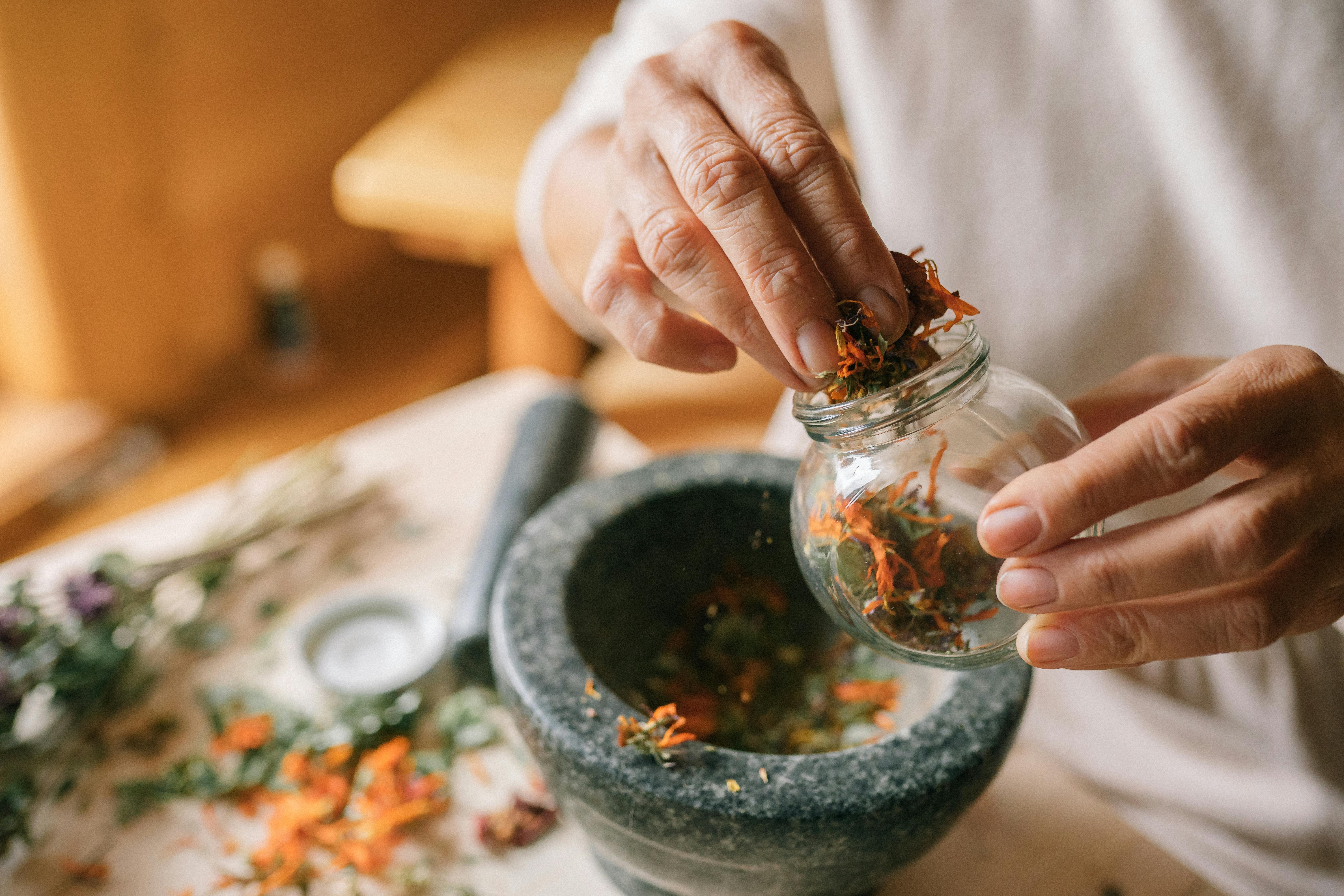
In recent years, there has been a significant shift towards natural healing and holistic health practices. This movement has given rise to herbal training programs that equip individuals with the knowledge and skills necessary to harness the healing power of plants. These programs are designed to educate participants on the identification, use, and benefits of herbs in promoting health and well-being. With the increasing demand for natural remedies, understanding the intricacies of herbal medicine can be a valuable asset for both personal and professional growth.
Understanding Herbal Training Programs
Herbal training programs are structured courses that provide comprehensive education on the use of medicinal plants. These programs typically cover a wide range of topics, including:
- Identification and classification of medicinal plants
- Preparation of herbal remedies
- Understanding the pharmacological properties of herbs
- Ethical and sustainable harvesting practices
- Integrating herbal medicine into holistic health practices
Participants in these programs often benefit from a mix of theoretical knowledge and practical experience. For those interested in exploring the various facets of herbal training, discover expert strategies here.
The Benefits of Herbal Training
There are numerous advantages to participating in an herbal training program. Some of the most notable benefits include:
- Enhanced understanding of natural medicine and its applications
- Ability to make informed decisions regarding health and wellness
- Increased opportunities for career advancement in the field of holistic health
- Empowerment to create personalized herbal remedies for various health conditions
For those looking to deepen their knowledge and skills in herbal medicine, learn about our tailored solutions that cater to different levels of expertise.
Choosing the Right Herbal Training Program
Selecting an appropriate herbal training program can be a crucial step towards achieving your goals in natural healing. Consider the following factors when making your choice:
Accreditation and Credibility
Ensure the program is accredited and recognized by reputable organizations. This enhances the credibility of your qualification and ensures you receive a quality education.
Curriculum and Content
Evaluate the curriculum to ensure it covers essential areas of herbal medicine. Look for programs that offer a balance of theoretical knowledge and practical experience.
Flexibility and Accessibility
Consider programs that offer flexible learning options, such as online courses or part-time classes, to accommodate your schedule and learning preferences.
For more guidance on selecting the right program, explore advanced guides and tips that align with your interests and career objectives.
Integrating Herbal Medicine into Daily Life
Once equipped with the necessary skills and knowledge, integrating herbal medicine into daily life can be both rewarding and beneficial. Here are some ways to incorporate herbs into your routine:
- Using herbal teas and tinctures for relaxation and stress relief
- Incorporating culinary herbs into your meals for added flavor and health benefits
- Creating natural skincare products using herbal ingredients
- Developing a personal herbal first-aid kit for common ailments
By understanding the potential of herbal medicine, individuals can take proactive steps towards healthier living. Find out more about this approach to enhance your well-being with the power of nature.