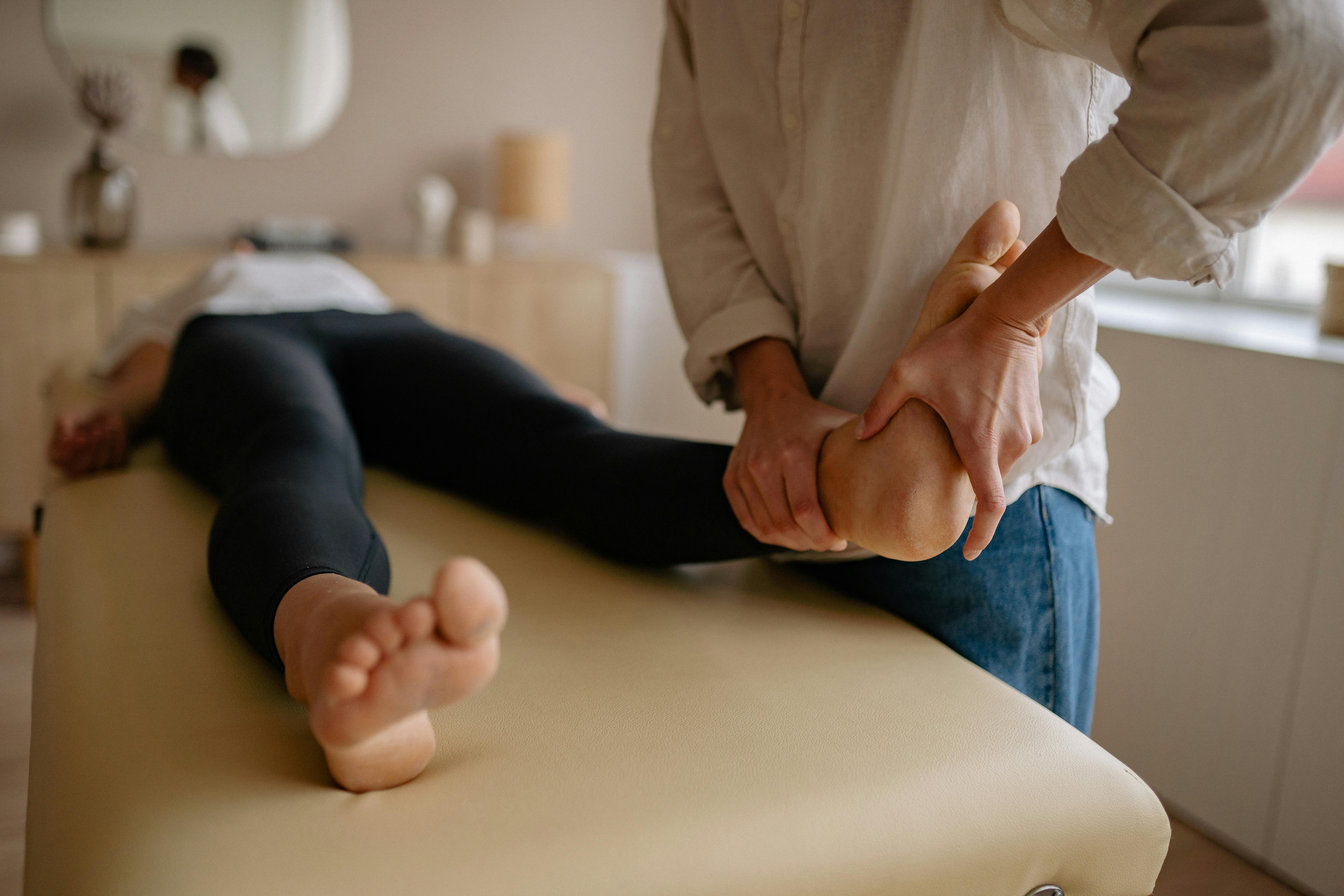
Embarking on a journey of recovery requires courage, determination, and the right support system. Rehabilitation therapy clinics play a crucial role in helping individuals regain their physical, mental, and emotional strength. Whether recovering from an injury, surgery, or managing a chronic condition, these clinics provide personalized care and comprehensive treatment plans tailored to individual needs. This article explores the essential components of a successful rehabilitation experience and how to navigate your path to recovery effectively.
Understanding Rehabilitation Therapy
Rehabilitation therapy encompasses a range of therapeutic interventions aimed at restoring function and improving quality of life. It is essential to understand the different modalities offered at a rehabilitation therapy clinic to make informed decisions about your care.
Types of Therapies
- Physical Therapy: Focuses on improving mobility, strength, and flexibility through exercises and manual techniques.
- Occupational Therapy: Helps individuals regain independence in daily activities by improving fine motor skills and adapting environments.
- Speech Therapy: Assists with communication disorders and swallowing difficulties.
- Psychological Support: Offers counseling and mental health support, essential for holistic recovery.
To delve deeper into these therapies and their benefits, read more about this topic.
The Role of a Personalized Treatment Plan
A personalized treatment plan is the cornerstone of effective rehabilitation. It ensures that therapy is tailored to the specific needs of the individual, enhancing the chances of successful recovery.
Key Components of a Treatment Plan
- Comprehensive Assessment: Initial evaluations to determine the current level of function and identify areas needing improvement.
- Goal Setting: Establishing short-term and long-term objectives that are realistic and achievable.
- Regular Monitoring: Consistent assessment of progress to adjust the treatment plan as necessary.
- Collaborative Approach: Involving family members and caregivers in the process to support recovery outside the clinic.
Learn more in this detailed guide about creating effective treatment plans and the role they play in rehabilitation by visiting this link.
Choosing the Right Rehabilitation Clinic
Selecting a rehabilitation therapy clinic is a significant decision that impacts the recovery journey. Consider these factors when making a choice:
- Accreditation and Licensing: Ensure the clinic meets industry standards and is licensed to provide therapeutic services.
- Qualified Professionals: The presence of experienced and certified therapists specializing in various fields.
- Comprehensive Services: Availability of a wide range of therapies to address diverse needs.
- Patient-Centered Care: A focus on individualized attention and customized treatment plans.
For additional insights on selecting the ideal clinic for your needs, explore further insights here.
Maximizing the Benefits of Rehabilitation Therapy
To maximize the benefits of rehabilitation therapy, consider the following strategies:
- Active Participation: Engage fully in therapy sessions and practice prescribed exercises consistently.
- Open Communication: Maintain clear communication with therapists to address concerns and modify approaches if needed.
- Holistic Approach: Integrate lifestyle changes such as nutrition, rest, and stress management into your recovery plan.
- Follow-Up Care: Adhere to follow-up appointments and continue therapy as recommended to prevent setbacks.
Find additional information here to help you understand how to effectively leverage rehabilitation therapy for your recovery: click here.