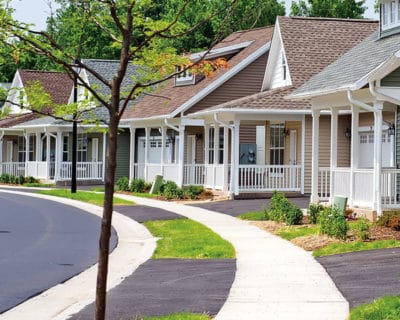
As the demand for assisted living facilities grows, so does the need for effective financing solutions to support these valuable community resources. Navigating the financial landscape to secure funding for an assisted living facility can be a complex endeavor, requiring thorough research and strategic planning. With numerous loan options available, selecting the right one can significantly impact the success of your investment. This article explores various financing avenues, offering insights and tips to help you make informed decisions that align with your financial goals.
Understanding Your Financing Options
When considering loans for an assisted living facility, it’s crucial to understand the different types available and how they can cater to your specific needs. Here are some common options:
- Traditional Bank Loans: These are standard loans provided by banks and financial institutions. They often require substantial documentation and a strong credit history.
- Small Business Administration (SBA) Loans: Designed to support small businesses, SBA loans offer favorable terms and conditions, making them a popular choice for many facility owners.
- Commercial Real Estate Loans: Specifically tailored for property investment, these loans can be ideal for purchasing or renovating assisted living facilities.
- Bridge Loans: Short-term loans that provide quick access to funds while waiting for more permanent financing solutions to be secured.
To explore advanced guides and tips on securing these loans, find out more about this approach.
Factors to Consider When Choosing a Loan
Interest Rates and Terms
Interest rates can significantly affect the overall cost of a loan. It is essential to compare rates from different lenders and understand the terms associated with each option. Longer loan terms might offer lower monthly payments, but they can also increase the total amount paid over time.
Loan Amount and Down Payment
Determining the loan amount and required down payment is a critical step in the financing process. Larger loans may require a higher equity investment, which can affect cash flow and budgeting. Analyzing your financial capacity and long-term goals will help in making the right decision.
Discover expert strategies on how to navigate these considerations here.
Preparing for the Loan Application Process
Securing a loan for an assisted living facility requires careful preparation and attention to detail. Here are some steps to ensure a smooth application process:
- Develop a Comprehensive Business Plan: A well-structured business plan that outlines your facility’s goals, financial projections, and market analysis can enhance your credibility with lenders.
- Gather Financial Documentation: Lenders will require financial statements, tax returns, and other relevant documents to assess your financial health and creditworthiness.
- Evaluate Your Credit Score: A strong credit score can improve your chances of securing favorable loan terms. Consider addressing any credit issues before applying.
For more tailored solutions and expert advice on preparing your loan application, learn about our tailored solutions.
Conclusion
Financing an assisted living facility is a significant undertaking that requires careful consideration and strategic planning. By understanding the available loan options and preparing thoroughly, you can secure the funding necessary to support your facility’s growth and success. Whether you are exploring traditional bank loans, SBA loans, or other financial products, it is crucial to align your choice with your long-term objectives.
For more detailed insights and support on navigating this complex process, explore advanced guides and tips.