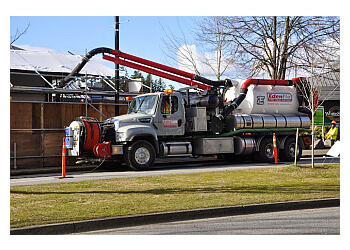
Maintaining a sanitary pit in optimal condition is crucial for ensuring a healthy and safe environment, whether for residential or commercial purposes. Proper maintenance prevents unwanted odors, contamination, and costly repairs. Understanding the essential steps for successful sanitary pit cleaning can help property owners and facility managers maintain their systems more effectively and efficiently. This comprehensive guide outlines the critical components of sanitary pit cleaning and provides insights into best practices that align with industry standards.
Understanding the Importance of Regular Maintenance
Regular maintenance of sanitary pits is not just about cleanliness; it?s about preventing health hazards and maintaining structural integrity. Consistent upkeep helps in:
- Preventing blockages and overflows that can lead to environmental contamination.
- Minimizing foul odors that can affect the surrounding area.
- Extending the lifespan of the sanitary systems and reducing the need for costly repairs.
For those looking to delve deeper into effective maintenance strategies, discover expert strategies here.
Key Steps in Sanitary Pit Cleaning
1. Initial Assessment and Planning
Before commencing the cleaning process, conduct a thorough assessment of the sanitary pit. This involves:
- Inspecting the pit for any signs of wear and tear or structural damage.
- Identifying the types of waste present to determine the appropriate cleaning method.
- Planning the cleaning schedule to minimize disruption to regular activities.
Effective planning can significantly enhance the efficiency of the cleaning process. Learn about our tailored solutions for detailed insights.
2. Choosing the Right Equipment and Materials
Using the appropriate tools and materials ensures not only thorough cleaning but also the safety of the personnel involved. Considerations include:
- High-powered vacuum systems for efficient waste removal.
- Safety gear for workers to prevent exposure to harmful substances.
- Environmentally friendly cleaning agents that do not harm the pit or the environment.
To explore advanced guides and tips on selecting the right equipment, explore advanced guides and tips.
3. Implementing the Cleaning Process
Once equipped, the cleaning process can proceed. This involves:
- Safely removing all waste material using the vacuum system.
- Scrubbing the interior surfaces of the pit to eliminate residue buildup.
- Conducting a final rinse with clean water to ensure all cleaning agents are removed.
Efficient implementation minimizes downtime and ensures a thorough clean. For more information on this approach, find out more about this approach.
Post-Cleaning Inspection and Maintenance
After cleaning, a detailed inspection is necessary to ensure that the sanitary pit is in optimal condition. This should include:
- Checking for any remaining blockages or residue.
- Assessing the structural integrity of the pit.
- Scheduling regular maintenance to prevent future issues.
Consistent follow-ups ensure long-term efficiency and functionality of the sanitary pit systems. Learn about our tailored solutions for ongoing maintenance strategies.
Conclusion
Proper sanitary pit cleaning is essential for maintaining a hygienic and safe environment. By following the outlined steps and utilizing the right resources, property owners can effectively manage their sanitary systems. For those seeking further expertise, discover expert strategies here to optimize sanitary pit maintenance.